 EN

Face Cream Tubes: Packaging Features Brands Should Consider
For a skincare brand, a face cream tube is more than a vessel for an emulsion. It is part of how the formula is protected, how much product a customer can use comfortably, and how the brand feels in the hand. In early development, it is tempting to choose a face cream tube from a render or a capacity chart. A stronger approach is to compare the whole package configuration: formula, tube body, shoulder, cap, decoration, filling process, and the intended sales channel.
From a packaging-advisor perspective, a well-grounded face cream tube decision starts with the product’s real use case and ends with samples that the brand, filler, and supplier can all review. That sequence makes trade-offs visible before a specification becomes difficult to change.
Start the Face Cream Tube Brief with Usage, Not Decoration
Before selecting a face cream tube, define what the cream needs to do in use. Is it a rich night cream used at home, a lightweight daily moisturizer, a travel-size trial product, or a treatment cream used in small amounts? The answer influences capacity, tube diameter, opening size, cap style, and the level of dispensing control required.
Capacity should be tied to the formula’s expected application amount and the brand’s intended consumption period—not simply to the nearest available size. A larger face cream tube can support value perception, while a compact tube can suit sampling, travel, or a more targeted routine. At the same time, the tube’s diameter and length affect the printable area, shelf presence, and how the package feels when squeezed.
A practical brief records the formula type, nominal fill, target markets, expected use orientation, decoration priorities, and any filling constraints. It should also identify who approves each decision. Packaging for skincare is often evaluated by brand, procurement, and filling teams at the same time, so a single agreed specification reduces version confusion later.
Match Squeeze Feel and Dispensing Control to the Formula
The face cream tube body and dispensing end work together. A soft body may feel easy to use, but the desired squeeze force depends on the cream’s viscosity, fill level, opening design, and consumer routine. A thicker cream may need a different balance of tube flexibility and orifice size than a fluid moisturizer. The goal is not the softest possible face cream tube; it is controlled, repeatable dispensing that feels appropriate for the product.
One common mistake is confirming the nominal volume without testing the actual formula through the final opening. A package can look correct yet release too much product, require awkward force near end-of-use, or leave residue around the closure. During sample review, observe opening, squeezing, product flow, reclosing, and the appearance of the neck after repeated use.
Compatibility and stability references also emphasize assessing the final package with its real contents. The review can include changes in appearance, color, odor, viscosity, package condition, leakage, and functionality under conditions relevant to storage and transport. The exact protocol belongs to the responsible technical and regulatory teams, but a face cream tube sample should not be approved solely as an empty component.
Choose the Closure as Part of the Face Cream Tube System
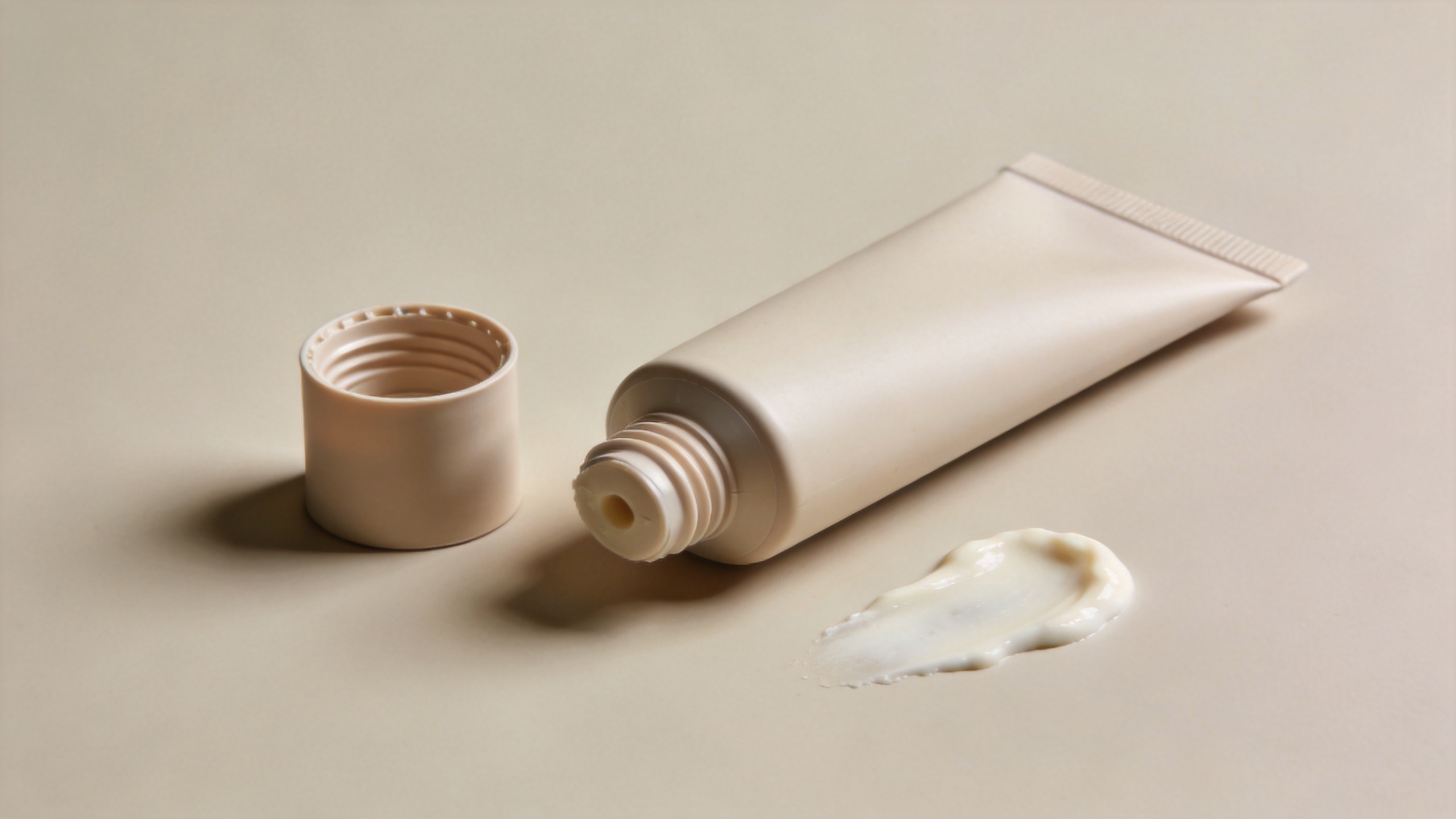
The cap changes the daily experience of a face cream tube. A screw cap can support a familiar, deliberate opening action. A flip-top cap may help with one-handed use and quick reclosure. A specialized applicator can shape a treatment experience, but it also adds more elements to verify with the formula and filling process.
For each face cream tube option, ask four practical questions:
- Can customers open and reclose it comfortably with typical skincare use?
- Does the closure keep the dispensing area clean enough for the intended routine?
- Does the final package remain secure when stored upright, on its side, or inverted as relevant?
- Can the selected configuration be evaluated with the actual formula, filling conditions, and transport assumptions?
These questions avoid a false choice between aesthetics and function. For example, a cap that reinforces a premium visual direction may still be the wrong choice if it makes the face cream tube harder to open or creates inconsistent dispensing in samples.
Use Surface Finish and Printing to Make the Face Cream Tube Recognizable
Surface treatment is a brand decision, but it also needs production-minded review. A matte, glossy, soft-touch, metallic, or color-led face cream tube can change perceived quality and on-shelf recognition. However, a visually elevated finish is not automatically suitable for every channel, formula, or handling environment.
Ask to see physical samples under normal viewing conditions rather than relying on a screen image alone. Compare legibility, color appearance, tactile feel, seam appearance, and how the decoration holds up during ordinary handling. Where a tube must carry multilingual instructions or mandatory information, reserve sufficient printable area early. Dense artwork can become hard to read when capacity, diameter, and label requirements are decided separately.
A supplier discussion can cover custom sizing and printing requirements, but brands should approve only claims and details that have been verified for their chosen configuration. This keeps the face cream tube aligned with the brand brief without treating a design concept as a completed performance result.
Build Sampling Around the Final Face Cream Tube Configuration
For a high-confidence decision, sample the final or closest practical face cream tube configuration—not only an unfilled tube body. Keep a simple review record covering formula version, fill quantity, tube and cap specification, artwork revision, storage orientation, and observed results. If the formula, packaging, or manufacturing process changes, the team can assess whether the earlier review is still representative.
Useful sample checkpoints include package appearance, cap opening and closing, dispensing behavior, leakage observations, decoration condition, and batch-to-batch visual consistency. Depending on the project and destination market, the brand’s technical team may also define formal compatibility or stability work. The essential point is that the final face cream tube is evaluated as a system, with its intended formula and use conditions.
A Short Selection Checklist for Brands
- Define the product routine, formula characteristics, target capacity, and target market before requesting samples.
- Compare more than the visual style: assess squeeze feel, flow control, closure action, and end-of-use behavior.
- Review the face cream tube with the real formula and final-cap direction wherever possible.
- Check whether artwork, required information, and surface effect remain clear on the selected tube dimensions.
- Document the approved configuration so brand, filler, and packaging teams are working from the same revision.
Turning a Face Cream Tube Concept into an Approveable Specification
Choosing a face cream tube is a comparison exercise, not a one-variable purchase. The strongest choice balances formula compatibility, capacity, dispensing, closure behavior, decoration, and operational confirmation. Brands that move from a visual concept to a documented sample review are better positioned to identify issues early and create a package that makes sense throughout product development.
For brands sourcing custom cosmetic packaging, this empty cosmetic squeeze tube option can be used as a starting point for a supplier conversation about capacity, tube format, matte appearance, and the verification steps needed for a specific cream formula. Confirm the final specifications, artwork, and test plan with the appropriate project stakeholders before production.