
 EN

Face Wash Tube Packaging: Materials and Size Selection Guide
For a cleanser brand, a face wash tube is more than a container. It affects how the formula is protected, how easily customers dispense it, how the product looks on shelf, and how efficiently a contract packer can fill and ship it. For overseas personal-care buyers, the right decision comes from matching tube structure, capacity, diameter, closure, and decoration to the actual formula and intended use—not from choosing a popular size first.
This guide gives brand teams and packaging buyers a practical framework for comparing a face wash tube. It is especially useful when a project involves custom printing, multiple regional SKUs, or a move from samples to repeat purchasing.
Start with the cleanser formula and use experience
Before comparing materials, define what the tube needs to do. A lightweight gel cleanser, a dense clay wash, an exfoliating scrub, and a cream cleanser can require very different dispensing behavior. Viscosity influences the required orifice, shoulder design, wall feel, and the force a user needs to squeeze the pack.
- Gel and foaming cleansers: usually benefit from controlled, clean dispensing and a closure that is easy to open with wet hands.
- Cream cleansers: need a tube that feels smooth to squeeze and recovers its shape well after use.
- Scrubs or formulas with particles: should be checked for flow through the chosen orifice and cap system during filling trials.
- Active or fragrance-sensitive formulas: may need a higher-barrier structure after compatibility testing.
In other words, a face wash tube should be selected as part of the formula-and-user-system. Ask the filler to validate torque, seal integrity, dispensing, and compatibility with the actual bulk product before approving production artwork.
Compare tube materials by protection, feel, and branding needs
Plastic laminate tubes are commonly considered when a brand wants flexible handling, efficient decoration, and a familiar cosmetic-packaging format. Their structure can be tailored to the product’s protection needs. For applications where light or oxygen sensitivity is a concern, buyers often compare barrier layers such as EVOH, PA, PVA, or aluminum-based laminate structures. The final choice should be confirmed through formula compatibility and stability testing rather than a generic barrier claim.
| Material direction | Best evaluated for | Buyer considerations |
|---|---|---|
| Standard plastic tube | Everyday cleanser formats and flexible squeeze feel | Review appearance, wall feel, print finish, and formula compatibility. |
| High-barrier laminate tube | Formulas that need additional protection from the environment | Confirm the actual barrier structure, recyclability goals, and stability-test results. |
| Aluminum-barrier laminate tube | Projects prioritizing strong light and oxygen protection | Assess desired shelf look, crimp/shoulder construction, and end-of-life requirements. |
Material selection also shapes the perceived quality of a face wash tube. A soft matte finish can support a gentle skincare position, while gloss, metallic effects, or a tactile coating may help a premium line stand apart. Those visual choices should still be balanced against scuff resistance, color consistency, and the brand’s packaging policy.
Choose capacity from usage, not from a default SKU
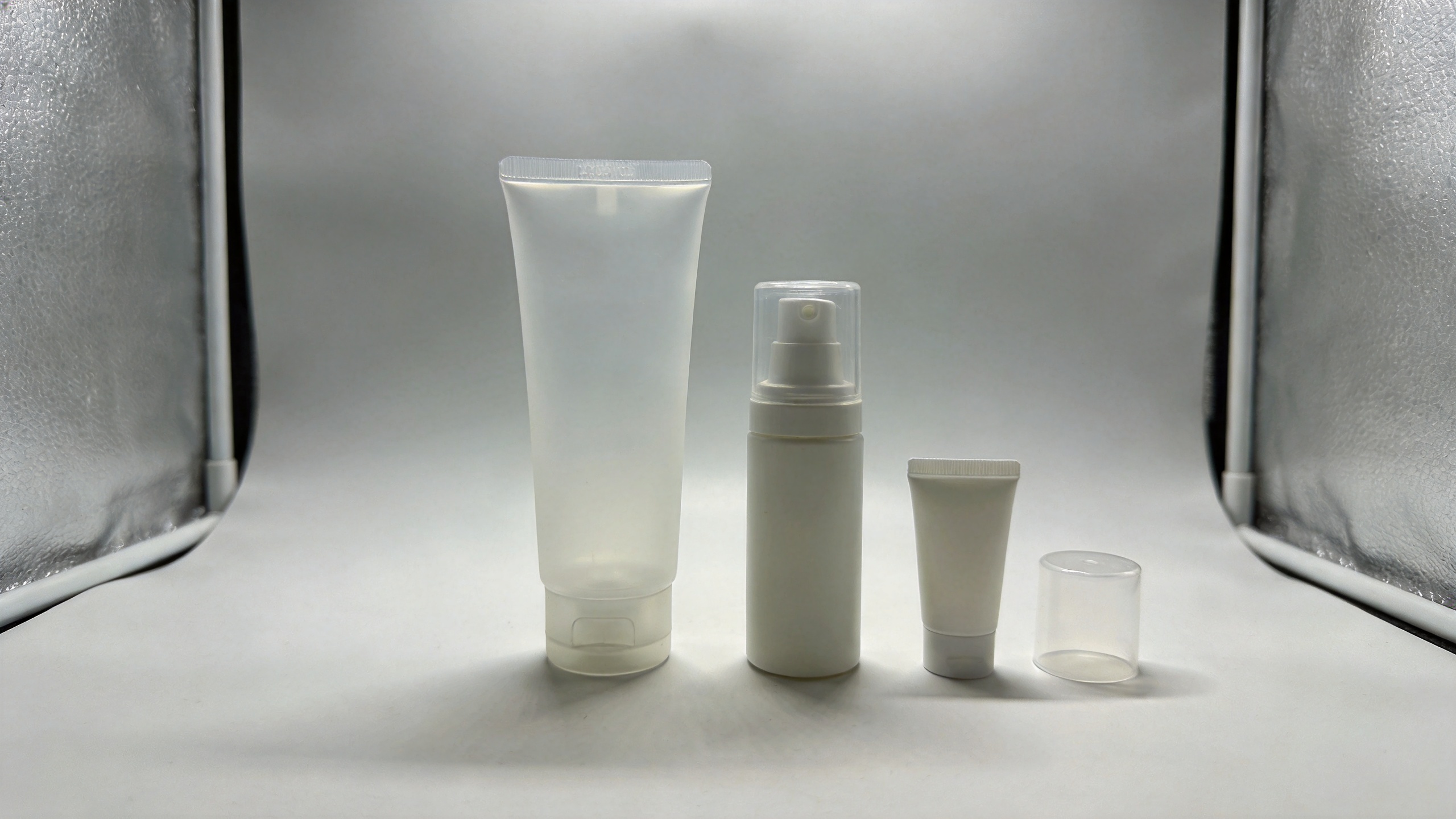
Capacity should reflect product positioning, expected use frequency, target channel, and the buyer’s pricing strategy. Travel and trial formats reduce commitment and fit promotional kits. Daily-use sizes suit core retail SKUs. Larger family or professional formats can reduce replenishment frequency, but they must still feel manageable in the hand and fit the intended shelf or e-commerce carton.
Use these questions to narrow the range:
- How many applications should one pack provide under the brand’s intended dose?
- Will the product be sold as a travel item, an entry-size trial, a standard retail product, or a value-size refill alternative?
- Is the formula dense enough that a larger capacity will make dispensing tiring?
- What shipping weight, master-carton quantity, and shelf footprint are acceptable?
Tube diameter and length work together to create the target fill volume. Market examples cover a broad range of diameters, including approximately 16 mm to 60 mm, but that range is only a starting point. The practical combination depends on fill weight, density, headspace, shoulder geometry, and the look a brand wants to achieve.
Match diameter, wall feel, and closure to dispensing behavior
The same nominal capacity can feel very different in use. A broader, shorter face wash tube may offer a strong shelf presence and a stable base, while a narrower, taller tube can create a more streamlined look. Neither is automatically better. The deciding factor is whether the pack delivers the desired dose comfortably from the first use to the last.
Closures deserve equal attention. Flip-top caps are familiar for shower and sink use, screw caps can support a more traditional format, and specialty applicators may add a distinct ritual. Evaluate cap opening force, leakage resistance, wet-hand usability, and whether the cap design aligns with the product’s target price level. For an exfoliating cleanser, test the complete tube-and-cap system with the actual particle size and formula viscosity.
Plan custom printing as part of the packaging specification
Custom printing is not a final cosmetic add-on. It should be planned alongside material, tube color, seam location, finish, and minimum readable type size. Brand teams should supply approved artwork, color references, mandatory labeling content, market language versions, and barcode requirements early enough for a pre-production review.
For a practical reference point, buyers can review a custom printing face wash tube packaging option when discussing format direction with a supplier. The final specification should be based on the project’s own formula, artwork, filling line, and validation requirements.
A buyer checklist before approving a face wash tube
- Confirm formula compatibility and stability testing for the selected tube structure.
- Approve capacity, fill weight, diameter, length, and headspace together.
- Test dispensing force, cap usability, leakage resistance, and seal performance.
- Review decoration samples under normal retail and transport conditions.
- Align carton packing, transit protection, lead time, and reorder requirements with the launch plan.
- Document the approved specification so regional SKUs and future reorders stay consistent.
Make the selection decision easier
A well-specified face wash tube protects the formula, gives users a consistent cleansing routine, and presents the brand clearly at the point of sale. Begin with the formula and usage scenario, then compare material protection, capacity, geometry, closure, and decoration as one connected decision. For B2B buyers, this approach reduces late-stage changes and helps turn a packaging idea into a repeatable production specification.