 EN

The Rise of Recyclable and Refillable Cosmetic Tube Packaging
For cosmetic brands, a tube is no longer just a convenient way to dispense a cream, cleanser, or toothpaste. It has become part of the product’s sustainability story—and part of the product-development brief. Search interest around the colgate recyclable toothpaste tube shows how a familiar personal-care format can reset expectations for tube packaging. Beauty brands do not need to copy one design to learn from it. It is to ask whether a tube can be collected, sorted, recycled, or reused in the markets where it will actually be sold.
A practical starting point is to challenge a common assumption: “recyclable” and “sustainable” are not interchangeable. A tube can be technically recyclable on paper yet still be difficult to recover in practice. Likewise, a refill system can reduce material use only when the outer pack is durable, the refill is practical, and customers genuinely return for the next cycle. That is why the leading trend is moving from isolated material claims toward better-designed packaging systems.
Why recyclable tubes are gaining attention
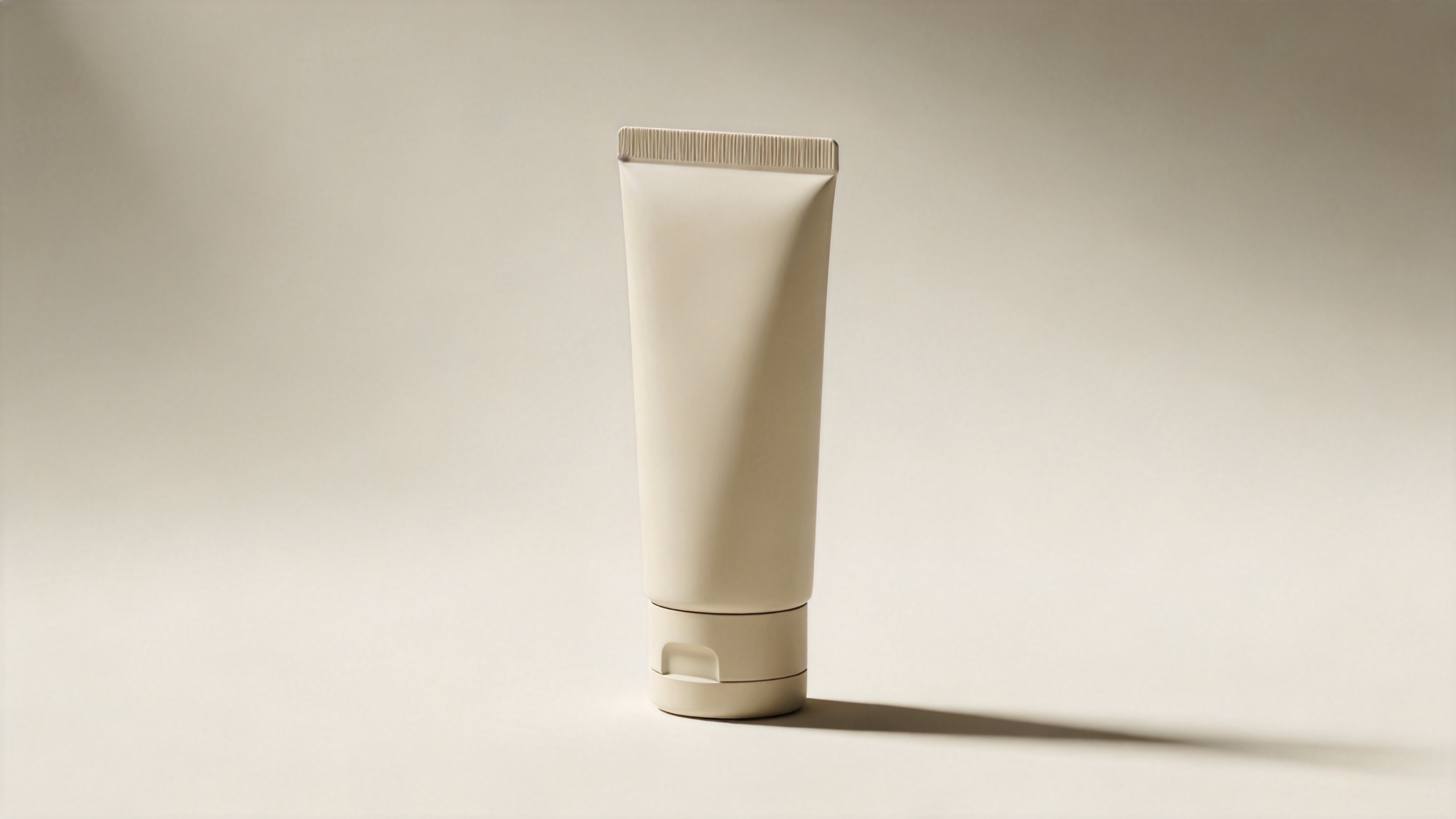
Traditional cosmetic tubes often combine several layers, a shoulder, a cap, inks, coatings, and barrier components. Those features can be important for formula protection, shelf life, squeezing performance, and premium decoration. But the more incompatible materials that stay attached at end of life, the harder the package may be to sort into a useful recycling stream.
The colgate recyclable toothpaste tube is frequently discussed because it made tube recyclability visible to mainstream consumers. A 2022 packaging report described a Colgate tube made from HDPE, a material family widely used in established recycling systems. The relevant takeaway is not that every HDPE tube will be accepted everywhere. Local collection rules, sorting technology, residual product, and component design still matter. The takeaway is that flexible tube formats can be redesigned around the realities of recycling infrastructure.
For cosmetic packaging teams, this change is especially important in skincare, personal care, hair care, and color cosmetics, where packaging must still protect formulas and communicate a brand identity. A simpler material architecture can be a useful starting point, but it must be balanced with compatibility testing and the intended product experience.
Mono-material thinking changes the development conversation
One practical direction is to reduce the number of material families in the pack. In a recycling-oriented tube project, the body, shoulder, cap, label, and decorative elements should be reviewed together—not as separate purchasing decisions. When components are compatible with the same material stream, a package may be easier for a recycling system to process than a highly mixed assembly.
This does not mean every project needs an identical construction. Barrier needs, viscosity, filling conditions, cap functionality, print requirements, and target-market infrastructure all affect the final choice. Still, the design questions become clearer:
- Can the tube body and shoulder be specified within a compatible resin family?
- Does the closure support, rather than undermine, the chosen recycling route?
- Will labels, sleeves, metallic effects, inks, or coatings interfere with sorting or recycling?
- Can the desired appearance be achieved with fewer incompatible decorative layers?
- Has the proposed structure been checked against the collection conditions in the intended market?
That creates a clearer project brief than simply asking for an “eco-friendly tube.” It helps brand, packaging, procurement, and filling teams identify trade-offs early, when a change is less expensive to make.
Refillable toothpaste and cosmetics: a system, not a label
The growing interest in refillable toothpaste also influences cosmetic packaging discussions. Refill concepts can take several forms: a durable outer container with a replacement cartridge, a reusable dispensing pack supplied with a refill pouch, or a return-and-refill model. In beauty, the right format depends on the formula, hygiene requirements, filling process, consumer routine, and the ability to make the refill experience simple.
A refillable concept should not be treated as automatically lower impact. A robust outer pack may require more material at the first purchase, and a refill loses its advantage if the replacement format is difficult to use or if customers do not complete multiple cycles. A better question is: What is the intended number of uses, and which parts of the package are being avoided with each refill?
For tubes, refillability can be more challenging than for jars or rigid bottles because the package needs to remain clean, easy to dispense, and compatible with the product. Yet the interest in refillable toothpaste is useful for cosmetic brands because it encourages modular thinking. Rather than forcing every tube to become refillable, teams can determine whether a recyclable single-use tube, a reusable outer pack, or a hybrid system more closely fits the product category and customer behavior.
How brands should evaluate recyclable and refillable tube options
Early research is more useful when it follows a short validation process. The aim is to establish what can be responsibly designed, tested, and communicated before any broad claim is made.
- Define the end-of-life route first. Identify the target countries and the collection stream the package is intended to enter. A recyclable design in one market may not have the same practical route in another.
- Map every component. Review the tube body, shoulder, cap, seal, label, decoration, and secondary packaging together. This is where hidden material conflicts often appear.
- Confirm formula and filling compatibility. Recyclability targets should not bypass checks for barrier performance, leakage, product stability, or line handling.
- Prototype the customer experience. For a refill system, test opening, refilling, cleaning, resealing, and storage with realistic users—not only in a design presentation.
- Validate claims carefully. Use only claims supported by the final material specification, applicable guidance, and the intended market. Avoid implying universal recyclability or environmental superiority.
For brands developing a custom tube, it can also help to discuss tube diameter, volume, cap style, artwork area, surface finish, and sampling requirements alongside sustainability goals. This keeps material choices connected to manufacturing and brand presentation rather than treating them as a late-stage add-on.
A short validation checklist for sustainable tube projects
- Use the colgate recyclable toothpaste tube as a material-design reference, not as a substitute for local recyclability validation.
- Test whether a refillable toothpaste-style routine is convenient, hygienic, and appropriate for the cosmetic formula.
- Map the body, shoulder, closure, decoration, and labeling before making a recycling claim.
- Confirm performance through formula, filling, transport, and customer-use trials.
What the trend means for cosmetic tube suppliers and buyers
The next phase of sustainable tube packaging will likely be less about a single “green” material and more about disciplined specification. Buyers will ask for clearer information about material families, decoration options, recycled-content feasibility, and the validation steps needed before making a market claim. Suppliers will need to help teams compare structures without overstating what a package can achieve.
Baolilai works with custom cosmetic tube packaging discussions across size, printing, and structure requirements. Brands exploring recyclable or refill-oriented projects can use a relevant product starting point such as custom cosmetic packaging tubes to frame an initial conversation around capacity, artwork, and structural options. The final material and sustainability claim should follow project-specific testing and market validation.
A practical direction for the next packaging brief
The rise of the colgate recyclable toothpaste tube has made one point clear: tubes do not have to remain outside the sustainability conversation. For cosmetic brands, the opportunity is to move beyond vague promises and build packaging briefs around material compatibility, real collection pathways, formula protection, and user behavior.
Whether the right answer is a recycling-compatible tube, a refillable system, or a carefully scoped combination of both, the strongest projects begin with evidence. Start with the target market, map the complete pack, validate it with samples, and communicate only what the finished system can support.