
 EN

Custom Squeeze Tubes: A Practical Guide for Personal Care Packaging
For a personal-care brand, a tube is not just a container. It sets expectations before a customer tries the formula, protects the product through distribution, and shapes how easily the product is dispensed in daily use. For buyers comparing custom squeeze tubes, the most useful starting point is not a color card or a price quote. It is a clear picture of the formula, target pack size, intended shelf position, and the production information a supplier needs to make a suitable recommendation.
This guide takes a packaging-procurement view of skincare, bath, haircare, and cosmetic projects. It breaks the broad choice of custom squeeze tubes into a practical sequence: define the product, choose a tube construction, specify the user experience, then align artwork and approvals before production.
Start With the Formula and the Way It Will Be Used
Personal-care products place different demands on packaging. A rich hand cream, a facial cleanser, a shampoo, and a body lotion may all use tubes, yet their viscosity, fragrance system, active ingredients, filling temperature, and consumer use pattern can be very different. Before requesting custom squeeze tubes, write down the formula category, fill volume, expected storage conditions, and how the customer should dispense the product.
A useful brief separates a visually attractive concept from a package that can work in practice. Flexible polyethylene is widely used for squeezeable packs, while laminated or other barrier-oriented constructions may be considered when the formula needs added protection. The right answer depends on the actual product and should be confirmed through formula-and-pack compatibility work rather than assumed from a similar-looking tube.
- Creams and lotions: assess controlled dispensing, rebound after squeezing, and the desired finish.
- Gels and cleansers: define the opening and closure so the product dispenses cleanly without unnecessary mess.
- Shampoo and shower products: consider wet-hand use, cap handling, and how the tube will stand or hang in a bathroom setting.
- Travel or trial sizes: verify that capacity, shoulder shape, and decoration still support a clear brand presentation.
Compare Tube Materials and Barrier Needs Before Comparing Decoration
When evaluating custom squeeze tubes, materials should come before decoration because material choice affects feel, flexibility, barrier behavior, filling compatibility, and the options that remain available for printing and finishing. A supplier can explain the available constructions, but the buyer should arrive with questions about the formula and its performance requirements.
| Decision area | What to clarify | Why it matters |
|---|---|---|
| Tube body | Required softness, appearance, and intended formula contact | Influences tactile experience and suitability for the formula. |
| Barrier approach | Whether odor, oxidation, or ingredient sensitivity needs extra consideration | Helps focus technical discussions before samples are approved. |
| Closure | Flip-top, screw cap, treatment-style applicator, or another format | Shapes dispensing control and convenience. |
| End format | Sealed end appearance, orientation, and code area | Supports both visual consistency and production communication. |
For a consideration-stage purchase, avoid treating a material label as a guarantee. Ask what will be tested, what sample stage is being reviewed, and whether the selected tube, closure, decoration, and formula are being evaluated together. Compatibility checks are valuable because they can reveal changes such as odor shift, discoloration, leakage, or loss of functionality before the package reaches the market.
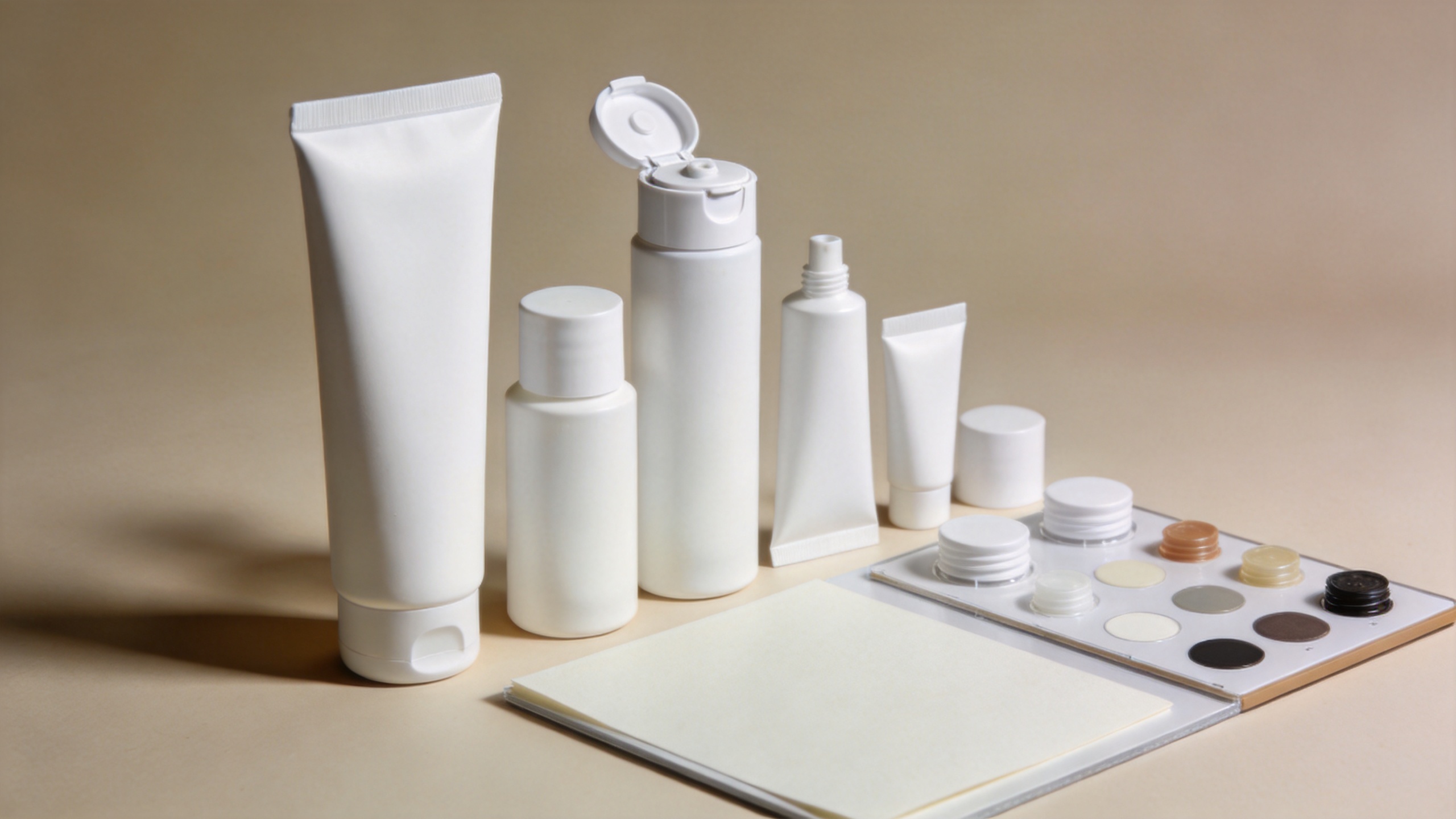
Set Capacity, Shape, and Closure as One User-Experience System
Size is more than a milliliter figure. The same nominal volume can feel different depending on diameter, body length, shoulder design, and how much product remains accessible near the end of use. For custom squeeze tubes, specify the capacity range first, then review how the proposed dimensions will sit in a retail display, ship in a carton, and feel in the hand.
Closure selection deserves the same attention. A flip-top cap may suit an everyday cleanser or lotion routine, while another closure can better match a targeted treatment or a product intended for controlled application. Request samples that represent the intended cap-and-tube combination. The goal is not simply to choose a cap style. It is to evaluate opening force, resealing, clean dispensing, and the overall brand impression.
Plan Decoration for Readability, Brand Positioning, and Production Approval
Good tube packaging for cosmetics brings design and production information together. Artwork should remain readable at the actual tube diameter, leave appropriate space for mandatory copy, and account for the way curved surfaces can affect small text and fine details. Discuss the desired visual direction early: clean clinical skincare, colorful bath products, minimalist premium care, or a more expressive cosmetic line each requires a different balance of color, finish, and information hierarchy.
For the project at hand, buyers can review a relevant custom printed cosmetic tube packaging option for face wash, body cream, hand cream, cleanser, shampoo, and shower gel as a product-category reference. The link is useful for initiating a packaging discussion, but final specifications should be confirmed against the buyer’s own formula, capacity, artwork, and market requirements.
To reduce avoidable revision cycles, send the supplier one artwork-and-specification brief that includes:
- Product type, formula status, and target fill volume.
- Preferred tube body, shoulder, cap, and finish direction.
- Artwork files, color references, and readable-copy priorities.
- Target market, labeling needs, and language versions.
- Sample expectations, approval checkpoints, and production timeline.
Build Formula Compatibility and Sample Approval Into the Buying Plan
The strongest procurement process for custom squeeze tubes includes validation rather than relying on appearance alone. A beautiful empty tube is only one milestone. The final decision should consider how the filled product behaves over time, whether the closure performs as expected, and whether the finished package retains its intended visual standard after handling and transport.
Agree on what the sample is meant to prove. An early tube sample may help assess color, shape, print placement, and cap feel. A later filled sample can support formula compatibility, dispensing, sealing, and practical-use checks. Separating these approval purposes prevents a common problem: assuming that a design sample has already confirmed every functional requirement.
A Buyer’s Checklist for Custom Squeeze Tubes
Before requesting a final quotation, use this compact checklist to keep custom squeeze tubes discussions focused:
- What product will go inside, and what packaging performance needs have been identified?
- What capacity, dimensions, and shelf presentation support the product line?
- Which tube construction and closure are being considered, and why?
- What decoration, copy, and finish details must remain consistent across the range?
- Which samples will be reviewed for appearance, and which will be tested with the final formula?
- What information must be confirmed before bulk production begins?
Turn a Packaging Idea Into a Clear Supplier Brief
Well-planned custom squeeze tubes projects start with clear decisions, not an oversized list of options. Define the formula and user experience first; then compare material construction, capacity, closure, and decoration as connected choices. This approach gives personal-care brands and packaging buyers a more useful basis for evaluating samples, communicating with suppliers, and moving toward a consistent production specification.
For skincare, body care, cleanser, shampoo, or shower-gel projects, a well-prepared brief makes it easier to discuss customized tube packaging, printing, and size requirements with a manufacturer while keeping room for sample-led refinement.