
 EN

How to Request a Quote for Toothpaste Packaging Tubes
When you request a quote for a toothpaste packaging tube, the fastest way to get useful numbers is to turn your idea into a comparable specification brief. A price based only on “a custom toothpaste tube” can leave important variables open: barrier structure, size, cap, printing, quantity, filling conditions, and delivery terms. Those variables affect whether two quotations are truly comparable.
From a packaging-advisor perspective, a toothpaste tube should first fit the formula, brand positioning, and filling method. For overseas oral-care brands, OEM/ODM manufacturers, packaging importers, and distributors, a clear request for quotation (RFQ) also reduces follow-up emails and helps suppliers flag practical questions early.
Start with the toothpaste packaging tube product and project context
Begin your toothpaste packaging tube quotation request with the product you intend to fill. State that the application is toothpaste or oral care, then add a short description of the formula characteristics that may matter to packaging review. You do not need to disclose confidential formula details, but it is useful to note whether the product contains strong flavor oils, whitening ingredients, abrasives, fluoride, or other components that may require compatibility review.
Also explain where the package will be sold and how it will be filled. Domestic and export projects can have different labeling, carton, shipment, and lead-time requirements. If a contract filler will handle production, tell the supplier the basic filling-line situation and any tube dimensions or closures the line already supports. In practice, packaging decisions are easier to compare when the brand, procurement, and filling teams work from the same brief.
Specify the toothpaste packaging tube structure before asking for unit pricing
Material selection is one of the biggest drivers in a toothpaste packaging tube quote. Rather than asking for a generic plastic tube, identify the structure you are considering or ask the supplier to quote clearly separated alternatives. Depending on the project, the conversation may include PE-based tubes, plastic barrier laminate (PBL), aluminum barrier laminate (ABL). Each option should be evaluated against the product, required barrier performance, visual direction, and end-of-life goals—not only the first unit price.
A useful RFQ states the capacity, diameter, length, shoulder style, and preferred tube construction where known. If these choices are still open, ask for alternatives in the same quote. For example, request one option at the target capacity and one option with a different tube structure, then ask the supplier to identify the information they need before confirming suitability. This makes the trade-off visible instead of burying it in an unqualified price.
Give toothpaste packaging tube dimensions and closure details that make quotes comparable
Capacity alone is not enough for a toothpaste packaging tube. Include your target fill volume and, if available, the preferred diameter and overall length. The same nominal volume can be presented in different proportions, which can affect shelf appearance, carton planning, and handling on a filling line.
Describe the shoulder and closure as clearly as possible. State whether you need a screw cap, flip-top cap, stand-up format, metalized look, child-resistant feature, tamper-evident element, or another closure requirement. If you have a cap reference image or an existing package sample, attach it. Also tell suppliers whether the cap color should match the tube, whether the tube needs a sealed end style, and whether an applicator or special dispensing feature is involved.
| RFQ item | What to provide | Why it matters |
|---|---|---|
| Capacity and dimensions | Target fill volume, diameter, length, tolerance if known | Defines the physical format to be quoted |
| Tube structure | Preferred material or alternatives to compare | Helps separate barrier and cost options |
| Shoulder and cap | Closure type, color, finish, special function | Prevents a quote from assuming the wrong component |
| Filling context | Filler, line details, compatibility questions | Supports a practical technical review |
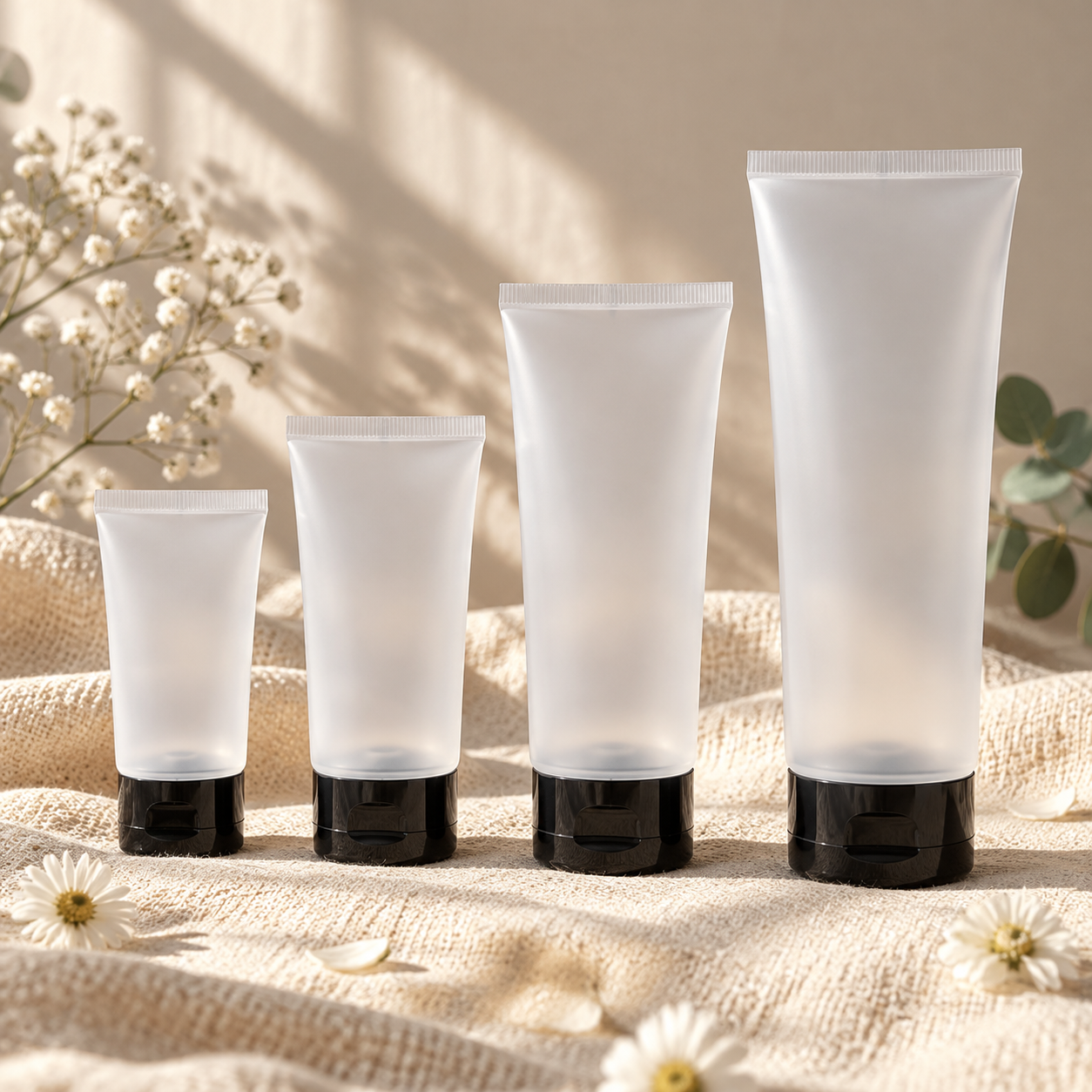 Organize the tube, closure, decoration, and quantity details before requesting a quote.
Define toothpaste packaging tube printing, decoration, and artwork readiness
Decoration choices can change the cost and timing of a toothpaste packaging tube project. List the number of print colors, the finish you expect, and whether the design includes special effects such as metallic details, matte areas, varnish, or tactile elements. If final artwork is not ready, share a draft visual or brand guideline and label it as preliminary. This is better than treating a render as a production specification.
Ask the supplier to distinguish between quoted assumptions and items that require artwork confirmation. You can also request information about print area, color-proof or sample options, and the approval process before production. A quote becomes easier to use when decoration, tooling, and sample charges are shown separately from the recurring unit price.
State toothpaste packaging tube order volume, sampling needs, and commercial terms
Give an expected first order quantity as well as a realistic annual or repeat-order outlook if you can share it. Volume affects the production setup, material purchasing, printing approach, and shipping configuration. If you are still estimating demand, ask for tiered pricing at several quantities rather than treating one number as a permanent commitment.
Make the sample requirement explicit. Indicate whether you need a stock sample, a blank tube, a decorated sample, or a sample for filling trials. Then ask for the estimated sample timing, production lead time after approval, minimum order quantity, payment terms, packaging method, and available shipping terms. For export projects, state the destination country or port so freight and delivery assumptions do not get mixed into the product quote.
Use a concise toothpaste packaging tube RFQ checklist
Before sending the request, review the following checklist. It does not replace technical validation, but it gives suppliers the information needed to return a more comparable toothpaste packaging tube quotation.
- Product application and relevant formula or filling notes
- Target capacity, diameter, length, and desired tube structure
- Shoulder, cap, seal, and dispensing requirements
- Artwork status, print colors, finish, and reference images
- First-order quantity and requested quantity tiers
- Sample type, approval plan, and expected launch date
- Destination, preferred trade term, and delivery expectations
Original thinking often starts with the appearance of the tube; later, it is usually better to confirm formula compatibility and filling conditions first. If price is the immediate priority, ask suppliers to show which assumptions support each line item. That simple step helps your team compare like with like rather than choosing a number that later changes after specifications are clarified.
Turn a toothpaste packaging tube quote into a sourcing decision
Once quotes arrive, compare more than the unit price. Check whether each supplier has quoted the same structure, dimensions, decoration scope, cap, quantity, sample stage, and delivery basis. Mark any missing assumption and request clarification before ranking offers. A low opening figure may not represent the same packaging solution as a more complete quote.
For projects that need a starting reference, you can review this custom ABL laminated toothpaste tube option and use it only as a discussion point for capacity, tube structure, print direction, and closure requirements. Final selection should follow your own formula, filling, sample, and commercial review.
A complete RFQ gives both buyer and supplier a better starting point: the buyer receives a quote that can be compared, while the supplier can identify unknowns before they become delays. For a toothpaste packaging tube project, that is often the most practical way to move from a broad packaging idea to a decision-ready offer.