
 EN

Lami Tube Explained: How Laminated Tubes Work in Personal Care Packaging
For a personal care brand, a tube is more than a container. It needs to hold a formula, communicate the brand on shelf, and feel practical in everyday use. A lami tube—short for laminated tube—brings several material layers together in one flexible package. That layered design is why lami tubes appear across skincare, hair care, toothpaste, and other personal care categories.
For brand and procurement teams, the useful starting point is not “which tube should we evaluate first?” It is understanding what each layer does, then matching the material combination to the formula, intended use, decoration needs, and validation plan. This article explains the basics in plain language so early packaging conversations can start with clearer questions.
What Is a Lami Tube?
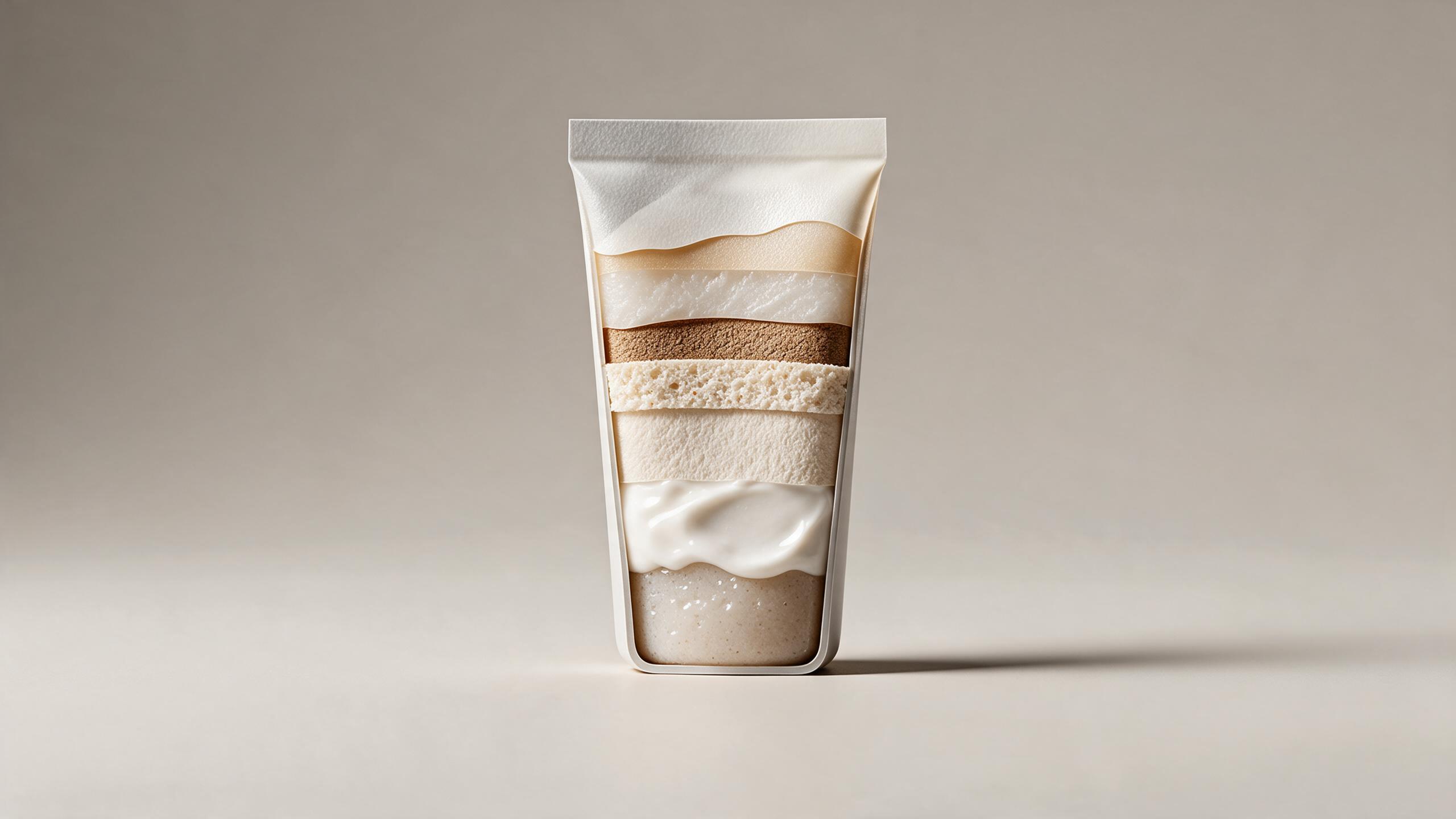
A lami tube is made from a laminated web rather than a single uniform tube wall. The web is formed into the tube body, joined at a side seam, and combined with a shoulder and cap. Its construction can include polymer layers plus a barrier layer. Depending on the tube specification, the barrier may use aluminum or a plastic-based barrier approach.
The word laminated matters because it describes a system: each material layer has a job. One layer may support printing, another may contribute to the tube’s feel and squeeze behavior, while another helps manage exposure to outside conditions. A finished lami tube still looks simple to the consumer, but its material choices are often the result of product, packaging, and production discussions.
The Main Layers and What They Do
Layer order and material selection vary by supplier and project, so it is better to think in functions than assume every lami tube has the same construction.
Barrier layer
The barrier layer helps limit interaction between the formula and the outside environment. For sensitive personal care formulas, teams commonly review protection from factors such as oxygen, moisture, light, and odor transfer. Aluminum barrier laminate (ABL) is one route often considered when a stronger barrier is needed; plastic barrier laminate (PBL) is another route that may fit projects with different material or recycling objectives. Actual suitability should be confirmed through formula compatibility and package testing.
Tube body layers
Polymer layers make up much of the body of a lami tube. They contribute to handling, resilience, and the familiar squeeze experience. Their relationship with the selected shoulder, cap, filling process, and product viscosity matters just as much as the film itself. A tube that feels right for a cream may not behave the same way with a gel, scrub, or thicker paste.
Decoration layer
The outer surface carries the package’s visual information. It can support brand colors, product names, instructions, and other artwork. When teams plan decoration for laminated plastic tubes, they should consider how fine details, opacity, finish, and color targets will be checked during sampling—not only how the artwork looks on a screen.
Why Personal Care Brands Use Laminated Plastic Tubes
Personal care packaging has to balance formula protection with shelf appeal and user convenience. Lami tubes offer a compact format that can be specified for many product types, from facial cleansers and lotions to hair treatments and toothpaste-style products. They can also support differentiated graphics because the print-bearing outer layer is part of the laminate structure.
That does not mean every personal care product needs the same lami tube. A fragrance-sensitive product, a light-sensitive active, and a rinse-off cleanser may prompt different questions. Brands should make the packaging discussion specific: What is in the formula? How will the pack be stored and transported? How much information needs to appear on the tube? What level of visual consistency is required across production runs?
ABL and PBL: A Practical Starting Comparison
| Question | ABL approach | PBL approach |
|---|---|---|
| Barrier discussion | Often considered where an aluminum-based barrier is appropriate for the formula. | Often considered where a plastic-based barrier structure is being evaluated. |
| Material conversation | Focuses on aluminum-plastic laminate construction and barrier requirements. | Focuses on polymer-based laminate choices and project material goals. |
| Decision method | Confirm with formula compatibility, shelf-life expectations, filling conditions, decoration requirements, and project-specific tests. | |
This comparison is a screening tool, not a substitute for validation. The right lami tube follows the formula and the project brief. It should not be chosen solely because one material name sounds more protective or more sustainable.
Questions to Ask Before Sampling a Lami Tube
Awareness-stage teams can make sampling more productive by collecting the basics early. A useful brief normally covers:
- Formula profile: product category, viscosity, fragrance level, and any ingredients that may need compatibility review.
- Fill and use: target fill weight, dispensing style, cap preference, and how often the consumer will open and close the pack.
- Barrier priorities: which external factors matter most for the formula and intended shelf life.
- Artwork: colors, text, finish preferences, regulatory copy, and how decoration will be approved.
- Supply planning: sampling timeline, target markets, and the quality checks needed before a production commitment.
These points help a packaging supplier translate a broad request for laminated plastic tubes into a sample specification that can be reviewed. They also make it easier for brand, formulation, and purchasing teams to work from the same priorities.
From Material Terms to a Better Packaging Brief
Once the team understands a lami tube as a layered package, material terminology becomes easier to use. The conversation can move from a generic request for “a tube” to clear decisions about barrier needs, squeeze feel, cap style, decoration, and validation. This is especially valuable for brands preparing a new personal care range or updating an existing tube format.
For projects exploring an aluminum-plastic option, this custom ABL tube packaging format can serve as a discussion reference for fill-size range, pointed-nozzle configuration, and customized artwork conversations. Its title and format should be reviewed against the actual formula and production requirements before selection.
Final Takeaway
A lami tube is a flexible, multi-layer packaging format designed to bring several functions into one tube body. In personal care packaging, its value comes from the ability to discuss barrier performance, handling, and decoration together rather than as isolated choices. Start with the formula and product-use context, ask what each layer needs to accomplish, and use sampling and testing to confirm the final package. That approach gives personal care brands a clearer path from material terminology to an informed packaging brief.