
 EN

What Is a Squeeze Tube Container and Which Products Suit It?
A squeeze tube container is a flexible pack that holds a semi-liquid or paste-like product and dispenses it when the user presses the tube body. For personal-care brands, it combines controlled dispensing, portable sizing, and an outer surface that can carry brand graphics. The format is common in creams, lotions, facial cleansers, sunscreens, gels, and some makeup products, but suitability depends on the formula and the way the product will be filled, used, and distributed.
From a packaging-advisor viewpoint, a squeeze tube container should be matched to the formula, brand position, and filling process before decoration is finalized. It is tempting to begin with the desired look; in practice, sample review should also cover the cap, opening, dispensing feel, and package–formula compatibility.
How a squeeze tube container works
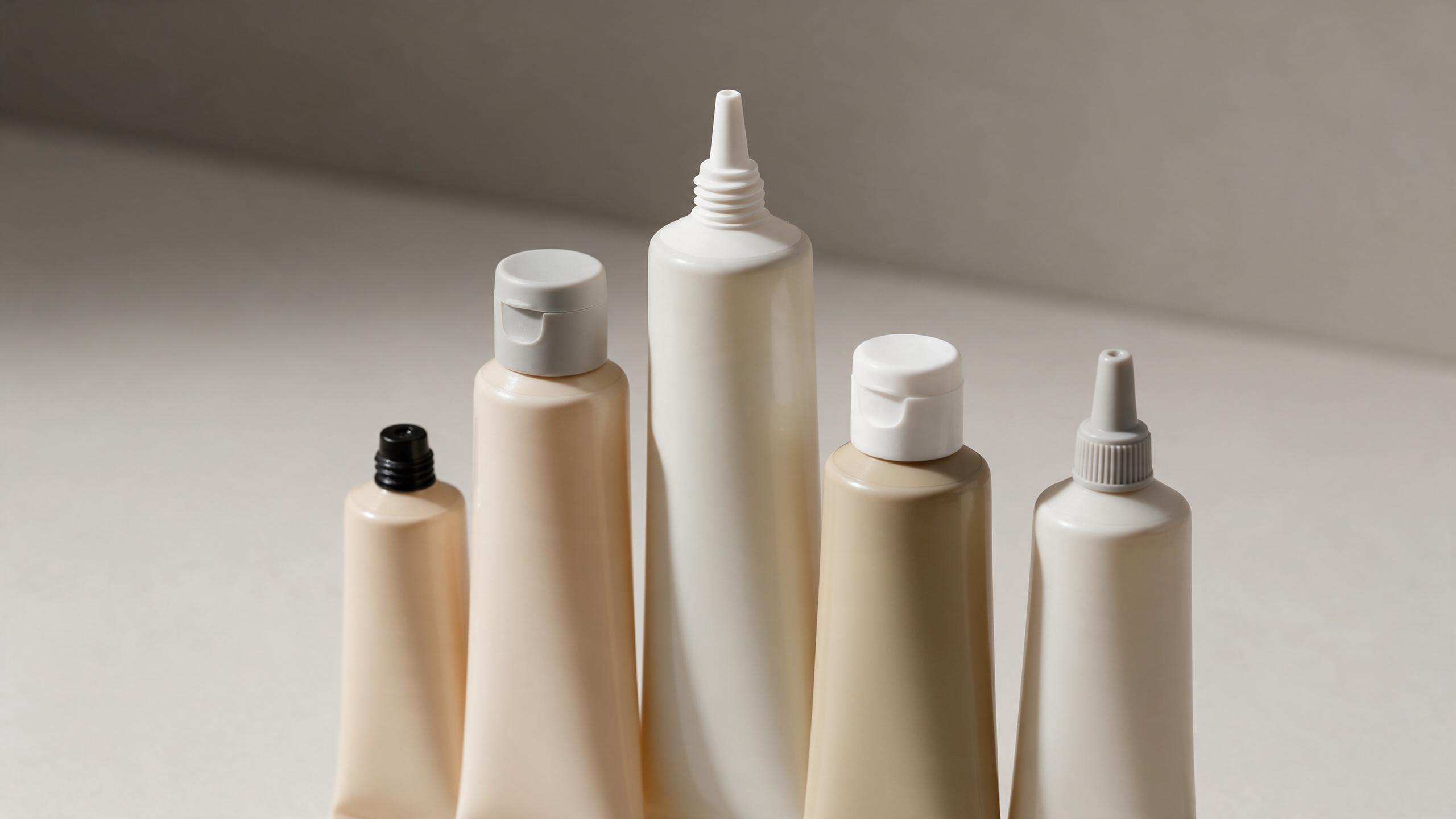
The basic construction is simple: a flexible tube body stores the product, a shoulder and neck guide it toward the outlet, and a closure controls access. Pressure from the user moves product toward the opening. Depending on the design, the closure may be a screw cap, flip-top cap, or another dispensing format. The tube can then be specified by capacity, diameter, length, material structure, shoulder style, cap style, printing area, and surface finish.
That combination makes a squeeze tube container useful when a product needs portion-by-portion dispensing rather than pouring. It can also help keep the remaining product inside the pack between uses. However, the level of protection and the dispensing result are not determined by the word “tube” alone. Formula behavior, barrier needs, opening size, and closure fit should be reviewed as one system.
Which products are commonly suited to tubes?
Many personal-care and beauty products can be considered for a squeeze tube container because they are applied in small, repeatable amounts. Common starting categories include:
- Face creams and lotions: a tube can support controlled application and travel-friendly pack sizes.
- Facial cleansers and scrubs: the format can work well for products that are squeezed onto a hand or applicator before use.
- Sunscreen and after-sun products: brands should evaluate the formula, barrier requirement, closure, and intended storage conditions before confirming the pack.
- Gels and spot-care products: a smaller opening may help brands target the amount dispensed, subject to formula flow and filling validation.
- Makeup and color cosmetics: primers, liquid complexion products, and similar textures may be candidates when the desired dispensing action matches the product.
- Personal-care pastes: toothpaste-style or treatment-style pastes often suit tube handling, although viscosity and outlet design still need review.
A product category is only a starting point, not a final specification. A very thin liquid may be difficult to control through a standard outlet, while a formula containing particulates or a high-viscosity base may need an opening and tube construction that have been tested with the intended filling process.
Match the formula to the dispensing experience
For procurement teams, the central question is not simply “Can this product go in a tube?” It is “Will the formula, tube, closure, and user action work together throughout the intended product life?” Packaging-compatibility guidance commonly frames safety, stability, functionality, and acceptability as connected checks. For regulated topical products, container-closure guidance also emphasizes suitability for intended use and functional performance. Those principles are useful as a disciplined review framework even when a product is not regulated in the same way.
Start with the product’s flow behavior. Creams and lotions may need a different outlet size from a thicker mask or scrub. A formula that changes viscosity with temperature should be evaluated under relevant storage conditions. If an active, fragrance component, oil phase, or solvent system is involved, request compatibility testing rather than assuming that one tube material fits every formula.
A common procurement mistake is confirming capacity without confirming the matching closure and dispensing action. During sample discussions, observe both the surface finish and what happens when the cap is opened, the tube is squeezed, and the product is dispensed. If easy dispensing is the priority, first confirm formula flow and outlet geometry; the final choice still needs validation with the actual formula and filling setup.
Material, barrier, and appearance: what to compare
Material selection affects feel, appearance, process options, and the package’s suitability for the formula. PE-based tube options are widely used in cosmetic and personal-care packaging, while multi-layer or laminate constructions may be considered when a product needs additional barrier performance. The appropriate structure should come from testing requirements and supplier discussion, not from a visual preference alone.
| Decision point | What to clarify with the supplier | Why it matters |
|---|---|---|
| Formula and viscosity | Product texture, particulates, pH or sensitive ingredients where relevant, and filling temperature | Supports a practical review of tube body, outlet, and closure fit. |
| Capacity and dimensions | Target fill volume, diameter, length, and headspace expectations | Helps align shelf presence, portability, and filling requirements. |
| Barrier needs | Light, oxygen, moisture, or fragrance-retention concerns | Guides whether a basic or more protective structure should be evaluated. |
| Closure and outlet | Cap style, orifice size, leak checks, and dispensing preference | Influences user control and package functionality. |
| Decoration | Artwork, print area, surface finish, and color expectations | Connects visual identity with a clear production brief. |
For brands needing a 15–60 ml personal-care format, this custom PE tube packaging option for skincare, makeup, sunscreen, face cream, and lotion is an example of a product page to review alongside the final formula and specification requirements. The product title identifies the intended categories and size range; it should not be read as a substitute for formula-specific testing.
When a tube may need extra evaluation—or another format
A squeeze tube container may need additional development work when the formula is highly runny, unusually reactive, difficult to dispense, or used in a setting that requires a purpose-specific closure. In those cases, the issue is not that tubes are unsuitable by definition. It means the development team needs more evidence before committing to a structure.
Ask whether the product requires a very precise dose, a brush or pump applicator, strong barrier performance, or a package that must tolerate specific transport and storage conditions. A jar, bottle, airless system, or another format may be more appropriate for some product concepts. The useful decision is the one that matches product behavior and user expectations, rather than forcing every formula into the same package style.
Squeeze tube container specification map
Use this squeeze tube container map to turn an early concept into a concise procurement brief. Each squeeze tube container decision should be documented with the formula team and packaging supplier rather than assumed from a catalogue image.
- Squeeze tube container product: name the formula category and intended use.
- Squeeze tube container flow: describe viscosity, particle content, and preferred dispensing feel.
- Squeeze tube container size: state the target fill volume and dimensional range.
- Squeeze tube container body: ask which material structure is proposed.
- Squeeze tube container barrier: identify light, oxygen, moisture, or fragrance concerns.
- Squeeze tube container outlet: agree on opening size and application method.
- Squeeze tube container closure: select a cap format and leak-check expectation.
- Squeeze tube container artwork: provide print files, colors, and finish direction.
- Squeeze tube container sample: review dispensing, appearance, and formula contact.
- Squeeze tube container approval: record the version approved for production.
A squeeze tube container brief should name uncertainties as well as confirmed requirements. Reserve final material and closure choices until samples provide the needed evidence.
A practical supplier checklist before quotation
- Describe the formula category and expected viscosity in clear, non-confidential terms.
- State the target fill volume, desired tube dimensions, and primary sales markets.
- Identify the intended dispensing action: fingertip, targeted application, or another use case.
- Share cap preference, artwork needs, and any surface-finish direction.
- Ask for samples and define what the team will check: leakage, dispensing, appearance, and compatibility with the actual formula.
- Confirm batch requirements, printing approval, and the points that must remain consistent in production.
For overseas B2B brands and packaging buyers, this checklist makes early conversations more efficient. It also separates what is already known from what still needs a sample or production-stage confirmation.
Choosing a squeeze tube container with fewer surprises
A squeeze tube container is a practical packaging format for many creams, lotions, cleansers, sunscreens, gels, and selected makeup products. Its value comes from controllable dispensing, portable form, and flexible branding options. The right choice, though, is made by comparing formula behavior, material structure, capacity, closure, decoration, and production expectations together.
Before issuing a purchase order, turn the product concept into a clear specification and test the package with the intended formula. That approach gives the supplier a usable brief and gives the brand a more reliable basis for selecting a tube format.